コヨーテ歩き撮り#219
笑顔のとなかいです。ところで、ぼくがとなかいをとなかいと平仮名で記すのはなぜ? 答えは小島敬太との共著『サーミランドの宮沢賢治』(白水社)をごらんください! You know the reason why I always write tonakai in hiragana? Seek the answer in the book Miyazawa Kenji in Saamiland, co-written with my friend Kojima Keita!

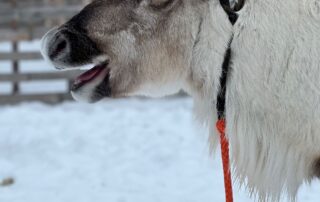
笑顔のとなかいです。ところで、ぼくがとなかいをとなかいと平仮名で記すのはなぜ? 答えは小島敬太との共著『サーミランドの宮沢賢治』(白水社)をごらんください! You know the reason why I always write tonakai in hiragana? Seek the answer in the book Miyazawa Kenji in Saamiland, co-written with my friend Kojima Keita!
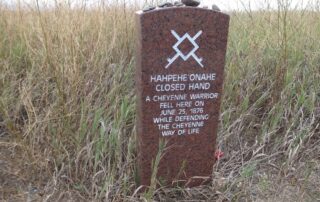
アメリカ兵士も先住民兵士も、どの地点で死んだかがわかっている。そこに個別に建てられた碑。シャイアンの生き方を守るために死んだシャイアンの戦士。 For both American soldiers and Indian warriors, their spots of death are known and commemorated with individual stones. Here lies a Cheyenne warrior who fought for the tribe's own traditional way of life.
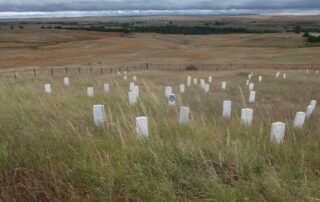
ここでカスターが死んだ。1876年6月25日、モンタナ州リトルビッグホーンの戦い。スー、シャイアン、アラパホの部族連合軍に奇襲をしかけたアメリカ合衆国陸軍のカスター隊225名が全滅した。以後、合衆国は容赦ないインディアン殺戮をいっそう激化させる。ためらいなきジェノサイドへ。 Little Bighorn, Montana. This is where George Armstrong Custer died on June 25, 1876. Custer’s command attempted a surprise attack on the intertribal camp of the Sioux, Cheyenne, and Arapaho. All of the 225 US soldiers led by Custer were killed, including the colonel himself. After this, the US Army aggravated their genocidal war on native tribes.